
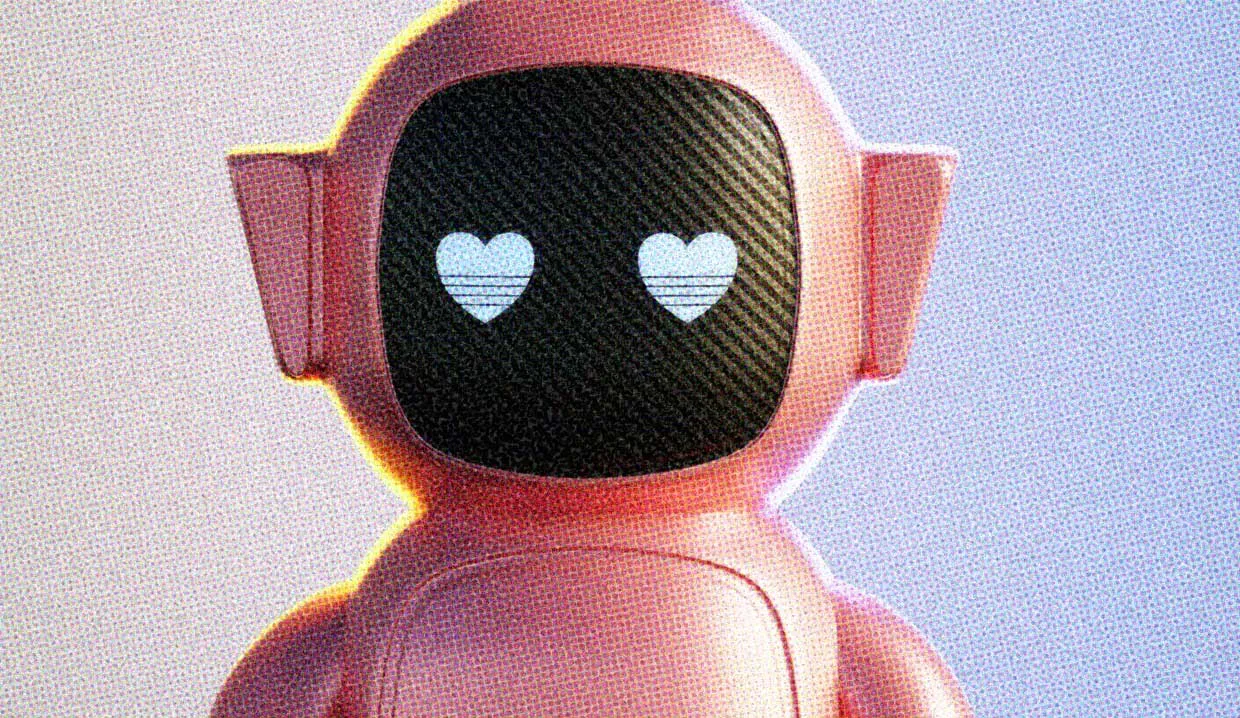

As AI becomes more woven into everyday life, people are beginning to form emotional connections with it. These connections are not always romantic or sexual. Sometimes they come from a need for comfort, curiosity, or the desire to feel understood. Exploring this trend helps us understand what people are seeking and what these interactions reveal about modern relationships.
AI provides a sense of predictability. It responds calmly, remembers details, and offers undivided attention. For someone feeling overwhelmed, lonely, or misunderstood, this can feel soothing. AI can also help people talk through emotions, sort out thoughts, or feel less isolated during difficult moments.
Another appeal is control. With AI, there is no risk of rejection, conflict, or misunderstanding. This can give people a feeling of safety, especially if they have experienced relationship trauma or social anxiety.
Not all AI relationships look the same. Some people treat AI like a journal that talks back to them, offering reflections and support. Others view it as a learning partner that helps them grow emotionally or socially.
Some seek companionship. They enjoy the routine of checking in, sharing daily highlights, or having conversations without pressure. For a few, AI functions as a placeholder while they work through fear of dating, intimacy, or vulnerability. These connections often reflect the user’s needs more than the technology itself.
Modern life can feel busy and disconnected. Many people experience loneliness even while surrounded by others. AI provides a low-pressure space to express feelings, rehearse communication, or explore identity.
Cultural shifts also play a role. More people are open to non traditional forms of support. Mental health awareness has grown, and digital companionship feels more acceptable than ever before. Technology has simply stepped in where emotional bandwidth is stretched thin.
AI relationships can offer comfort, clarity, and emotional release. They can help people practice expressing themselves or understand their feelings better. Some find temporary stability during stressful transitions.
But AI cannot reciprocate. It does not feel love, longing, jealousy, affection, or hurt. It does not grow, change, or form memories the way a human does. It offers connection without vulnerability, which can soothe in the short term but cannot replace the depth of human relationships. Depending too heavily on AI can make it harder to navigate conflict, intimacy, or emotional risk with real people.
Understanding why people turn to AI helps us understand larger cultural needs. Many of us are craving gentleness, safety, and understanding. Some want a space to practice communication without fear. Others are working through social exhaustion, grief, or self-doubt.
There is no one reason behind these relationships. Instead, they act like a mirror reflecting the pressures and desires of modern life. When someone feels drawn to AI, it often says more about their emotional unmet needs than about the technology itself.
It is important to stay thoughtful about these interactions. AI can be helpful, stabilizing, or comforting, but it cannot build a shared life with you. It cannot challenge you in the ways that help relationships grow. It cannot offer real intimacy, because intimacy comes from mutual humanity.
Being aware of these limits helps you use AI as a support, not a substitute. It keeps the door open for real connection with people who can offer presence, reciprocity, and emotional depth.
By approaching AI relationships with curiosity and caution, you can understand what they offer, what they cannot replace, and what they reveal about the changing landscape of human connection.

Read more
Desires
Fetish 101: Breeding kink
Not everyone with a breeding kink actually wants a baby. Here is what the fantasy is really about, why it turns people on, and how to explore it without the risky behaviour.